

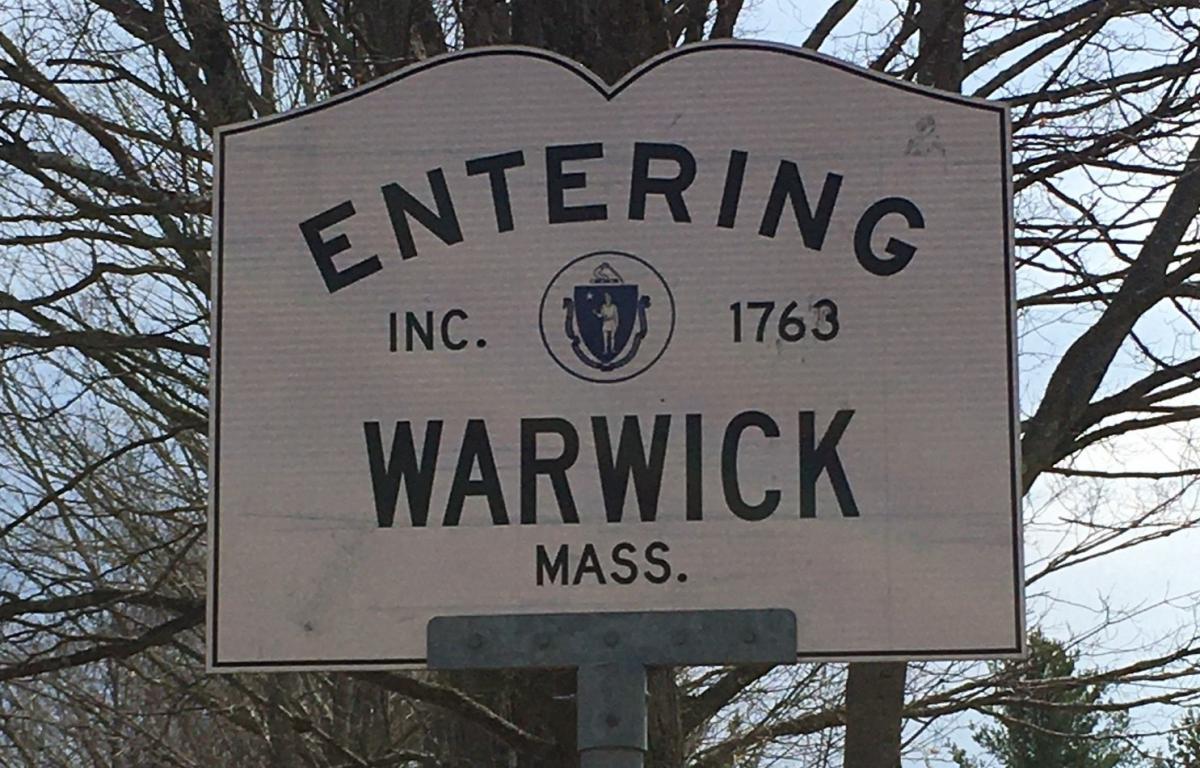

WARWICK, MA (FRANKLIN COUNTY NOW) — Shutesbury and Warwick have become certified Climate Leader Communities by the Department of Energy Resources. The towns are now eligible to apply for grants up to $1.15 million for projects that reduce municipal emissions after having met certification requirements such as a zer-emssion vehicle first policy and adoption of a Specialized Energy Code.
Healey-Driscoll Administration Certifies Seven New Climate Leader Communities, Awards $1.1 Million
Beverly, Brookline, Eastham, Sharon, Shutesbury, Warwick and Wayland Join 28 Other Municipalities Cutting Energy Costs, Adding Locally-Produced Electricity, and Lowering Pollution from Municipal Buildings and Fleets
BOSTON — The Healey-Driscoll Administration today announced the Department of Energy Resources (DOER) certified seven new Climate Leader Communities (CLCs), which is the third group of CLCs. Beverly, Brookline, Eastham, Sharon, Shutesbury, Warwick and Wayland applied for and met the requirements to become CLCs. They are now eligible to apply for grants up to $1,150,000 each for projects that reduce municipal emissions, or for technical support ahead of projects. There are now 35 Climate Leader Communities in Massachusetts.
“I’m thrilled to welcome the seven newest Climate Leader Communities. Their work to reduce municipal energy use and bills, add locally-generated energy and create stronger, more resilient communities does not go unnoticed,” said Energy and Environmental Affairs Secretary Rebecca Tepper. “Local energy projects like these add up to make Massachusetts more affordable and more resilient in the face of climate change.”
“Congratulations to these seven towns on achieving Climate Leader Community certification,” said DOER Commissioner Elizabeth Mahony. “This follows many years of success as Green Communities to lower ongoing energy use and costs and cut pollution from municipal buildings. Providing technical support through this program helps bring to life local projects to help protect your residents and businesses from high energy prices and extreme weather events.”
DOER will also award $1,158,000 in Technical Support Grants to Aquinnah, Carlisle, Harvard, Melrose, Natick, Stow, Truro, and West Tisbury. Technical Support Grants help CLCs fund engineering and design documents that will lead toward the final steps needed for projects to be eligible for Climate Leader Communities Decarbonization Accelerator Grants. Accelerator Grants provide up to $1 million for projects that significantly reduce greenhouse gas pollution from municipal operations.
- Aquinnah will receive $150,000 to fund engineering design and recommendations for a microgrid of town buildings.
- Carlisle will receive $119,000 to fund Engineering design for decarbonizing town hall.
- Harvard will receive $150,000 to support schematic design for a heat pump conversion project at the Bromfield School, which is participating in the Massachusetts School Building Authority’s (MSBA) Accelerated Repair Program.
- Melrose will receive $139,000 to fund the design of a solar PV array on its salt shed and for the engineering design for a heat pump project at the middle-high school.
- Natick will receive $150,000 to support schematic design for a heat pump conversion project at the Lilja Elementary School, which is participating in the MSBA Repair Program.
- Stow will receive $150,000 to fund engineering design for partial decarbonization of the Hale School and rooftop solar at the Center School.
- Truro will receive $150,000 to fund engineering design for decarbonizing the public safety building.
- West Tisbury will receive $150,000 to fund engineering design and recommendations for a microgrid at the public safety building.
The Climate Leader Communities Program builds on the highly successful Green Communities Designation and Grant program. The vast majority of Massachusetts municipalities are designated Green Communities, and have partnered with DOER on hundreds of projects to deliver more than $30 million in municipal energy cost savings each year. DOER created the CLC Program in response to high demand from designated Green Communities for a higher tier of the program. The CLC encourages municipalities to lower municipal emissions, maximize the efficiency of buildings and transportation, and slash energy costs.
To become a CLC, municipalities must meet certification requirements that include a local committee to advise and help coordinate local energy activities in the municipality; a commitment to transition away from on-site fossil fuel use in municipal buildings and fleets by 2050; a zero-emission-vehicle first policy; and adoption of the Specialized Energy Code.
“Brookline’s Climate Leader Communities certification builds on the Town’s already strong commitment to green policies, practices, and innovations,” said StateSenate Majority Leader Cindy Creem (D-Newton). “As a leader in ecological protection and net-zero emissions goals, Brookline continues to do Massachusetts proud in putting our climate ambitions into action. I am looking forward to supporting the projects and ideas that result from this recognition.”
“I am pleased that the City of Beverly has been recognized by the Department of Energy Resources as a Climate Leader Community,” said State Senator Joan Lovely (D-Second Essex). “The opportunities that this new designation will open up will allow Beverly to reach its clean energy goals for the benefit of the entire community, and I am grateful to the Healey-Driscoll Administration for their dedication to reaching our Commonwealth’s decarbonization goals.”
“I’m proud of the Beverly residents and city leaders who have taken these steps to protect our coastal community and lower our long term financial, health, and environmental costs,” said State Representative Hanna Bowen (D-Beverly). State funding to accelerate this work is critical because even though municipal budgets are stretched thin right now, we can’t afford to put off investments in more sustainable infrastructure and operations.”
“Eastham stepping up as a Climate Leader Community is a big deal for the Outer Cape. This program gives communities the tools and resources to actually get projects moving — cutting emissions, lowering energy costs, and making our municipal buildings more efficient and resilient,” said State Senator Julian Cyr (D-Cape and Islands). “I’m also glad to see Aquinnah, Truro, and West Tisbury receiving technical support funding to advance smart, local projects like microgrids and building decarbonization. These are practical investments that help our towns lead on clean energy while keeping costs down for residents. It’s good to see state programs delivering real support to the Cape and Islands.”
More information on DOER’s Climate Leader Communities program can be found on its website.